


A Comprehensive Guide To Fishing Reel Components
2024 Aug 10th
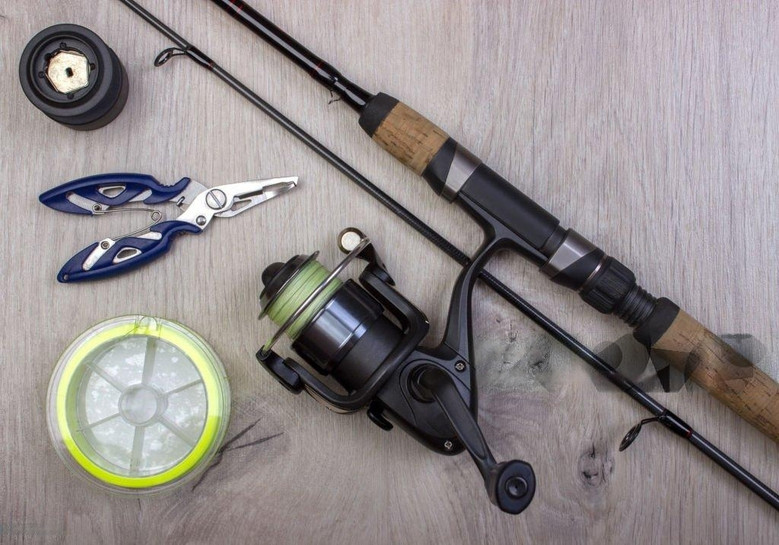
Fishing is a skill that requires the right equipment and knowledge. Among all fishing gear, the fishing reel is one of the most important tools. Whether you're new to fishing or have years of experience, understanding fishing reel parts explained in a simple way can help you use your equipment more effectively and keep it in good working condition.
This fishing reel component guide covers the basic and internal parts of a fishing reel, explains how each component works, and shares maintenance tips to help extend the life of your reel. If you ever need professional reel servicing, Mike's Reel Repair offers expert repair solutions for a wide range of fishing reels.
The Importance of Fishing Reel Components
Fishing reels are made up of several parts that work together to help you cast, retrieve, and land fish. Every component has a specific function, and understanding how they work can improve your fishing performance.
For example, adjusting the drag correctly helps fight larger fish without breaking the line, while choosing the right spool size improves casting distance and line management. This fishing reel component guide explains both the visible and internal parts of a reel, with a focus on spinning reels, so you can better understand your equipment.
If your reel is showing signs of wear or needs replacement parts, be sure to check out Mike's Reel Repair's reel repair services for professional assistance.
Overview of Basic Fishing Reel Components
A fishing reel consists of several essential parts that work together during casting and retrieval.
Frame: The Backbone of the Reel
The frame is the main body of the fishing reel. It supports all other components and keeps everything aligned during operation. A strong frame is important because it handles the pressure created while fighting fish.
Most reel frames are made from:
- Aluminum for added strength and durability
- Graphite for reduced weight and corrosion resistance
Choosing the right frame depends on your fishing style and target species.
Spool: Holding the Fishing Line
The spool stores your fishing line and directly affects casting performance and line capacity.
Spools are commonly available in aluminum or graphite and come in different sizes to match various fishing applications. Selecting the proper spool ensures better line control and smoother casting.
Handle: Retrieving the Line
The handle is used to retrieve the fishing line after casting.
Most fishing reels feature ergonomic handles with either single or double knobs. Materials such as EVA foam or rubber provide a comfortable grip, especially during long fishing trips.
Drag System: Controlling Line Tension
The drag system controls how much resistance the fish feels when pulling the line.
A smooth, adjustable drag prevents sudden line breaks and helps tire the fish before landing it. This is especially important when targeting larger freshwater or saltwater species.
In-Depth Look at Spinning Reel Components
Spinning reels remain one of the most popular choices because they are easy to use and suitable for many fishing situations. Below is a closer look at the key spinning reel components.
Bail Arm: Guiding the Line onto the Spool
The bail arm guides the fishing line onto the spool during retrieval.
When casting, it opens to allow the line to flow freely. After the cast, it closes to guide the line back onto the spool evenly.
There are two common types:
- Automatic bail
- Manual bail
Many experienced anglers prefer manual bails for better line control.
Anti-Reverse Switch: Preventing Backward Movement
The anti-reverse switch prevents the handle from rotating backward.
This feature helps maintain steady pressure while fighting fish and keeps the reel from losing line unexpectedly.
Line Roller: Reducing Twist and Friction
The line roller is located on the bail arm where the fishing line passes during retrieval.
Its main purpose is to reduce friction and line twist, helping minimize tangles and extending line life. Stainless steel and titanium-coated rollers are commonly used for improved durability.
Gearbox: Converting Handle Rotation into Spool Movement
The gearbox transfers the rotation of the handle to the spool.
Gear ratios such as 5.2:1 or 6.3:1 indicate how many times the spool rotates with one full handle turn.
- Lower gear ratios provide more cranking power.
- Higher gear ratios retrieve line more quickly.
Understanding gear ratios is an important part of fishing reel parts explained, especially when selecting a reel for different fishing techniques.
Reel Foot: Connecting the Reel to the Rod
The reel foot secures the reel to the fishing rod.
A properly fitted reel foot ensures stability during casting and retrieval while preventing unnecessary movement that could affect performance.
Internal Mechanics of Fishing Reels
Many of the most important components are located inside the reel. This reel internal parts overview explains the internal system that keeps your reel operating smoothly.
Gears: Powering the Reel
The gears convert the movement of the handle into spool rotation.
They are typically made from:
- Brass
- Aluminum
- Stainless steel
Well-maintained gears provide smoother operation and reduce long-term wear.
Bearings: Supporting Smooth Operation
Bearings reduce friction between moving parts and contribute to smoother performance.
Most quality fishing reels use stainless steel bearings because they resist corrosion, making them suitable for both freshwater and saltwater fishing.
Although bearing count is often advertised, bearing quality is generally more important than quantity.
Main Shaft: Supporting Internal Components
The main shaft connects the spool, handle, and gears.
Because it experiences significant stress during retrieval, manufacturers commonly build it using high-strength stainless steel or similar durable materials.
Understanding the shaft's role is another important part of reel component identification.
Fishing Reel Assembly Reference
If you've ever taken apart your reel for cleaning or repairs, having a basic fishing reel assembly reference can make reassembly much easier.
A typical spinning reel includes:
- Frame
- Spool
- Rotor
- Bail arm
- Line roller
- Drag system
- Handle
- Main shaft
- Main gear
- Pinion gear
- Bearings
- Anti-reverse system
- Reel foot
Knowing where each part belongs helps simplify maintenance and makes it easier to identify worn or damaged components before they cause larger issues.
Maintenance and Care for Fishing Reel Components
Routine maintenance helps your fishing reel perform reliably season after season.
Cleaning Your Reel
Clean your fishing reel after every trip, especially after saltwater use.
- Disassemble the reel according to the manufacturer's instructions.
- Wipe exterior surfaces with a soft cloth.
- Clean internal parts using a small brush.
- Allow all components to dry completely before reassembly.
Lubricating Moving Parts
Apply quality fishing reel oil and grease to:
- Gears
- Bearings
- Main shaft
- Other moving components
Use only a small amount of lubricant, as excessive oil or grease can attract dirt and debris.
Inspecting for Wear
Regular inspections help identify problems before they become serious.
Check for:
- Loose screws
- Worn bearings
- Damaged gears
- Frayed fishing line
- Excessive spool movement
Replacing worn components early helps keep your reel operating smoothly and reduces repair costs.
If you notice performance issues that require professional attention, Mike's Reel Repair provides expert repair services and replacement parts for many reel brands.
Need Professional Fishing Reel Repair?
Understanding the different parts of a fishing reel helps you fish more confidently and maintain your equipment properly. From the frame and spool to the internal gears and bearings, every component contributes to smooth operation.
Understanding your fishing reel components helps you maintain it properly and troubleshoot common issues with confidence. Regular cleaning, proper lubrication, and routine inspections will keep your reel operating smoothly and ready for many successful fishing trips.
Frequently Ask Question
1. What are the main components of a fishing reel?
A fishing reel consists of several essential parts, including the frame, spool, handle, drag system, gears, bearings, shaft, bail arm, line roller, and reel foot. Each component works together to provide smooth casting, controlled retrieval, and reliable fish-fighting performance.
2. Why is the drag system important in a fishing reel?
The drag system controls the resistance applied when a fish pulls the line. A properly adjusted drag helps prevent line breakage, reduces stress on the reel, and gives anglers better control when fighting larger or more powerful fish.
3. What do bearings do in a fishing reel?
Bearings reduce friction between moving parts, allowing the reel to operate smoothly during casting and retrieval. Quality bearings also improve durability, provide consistent performance, and help protect internal components from unnecessary wear with proper maintenance.
4. How do you maintain fishing reel components?
Regular maintenance includes cleaning the reel after use, lubricating gears and bearings with suitable reel lubricants, inspecting for worn or damaged parts, and tightening loose screws. Routine care helps extend the reel's lifespan and keeps it performing reliably.
5. Why is it important to understand fishing reel components?
Knowing how each reel component functions helps anglers choose the right equipment, identify maintenance needs, and troubleshoot common problems. This knowledge also supports better reel performance, longer service life, and more consistent results during different types of fishing.