


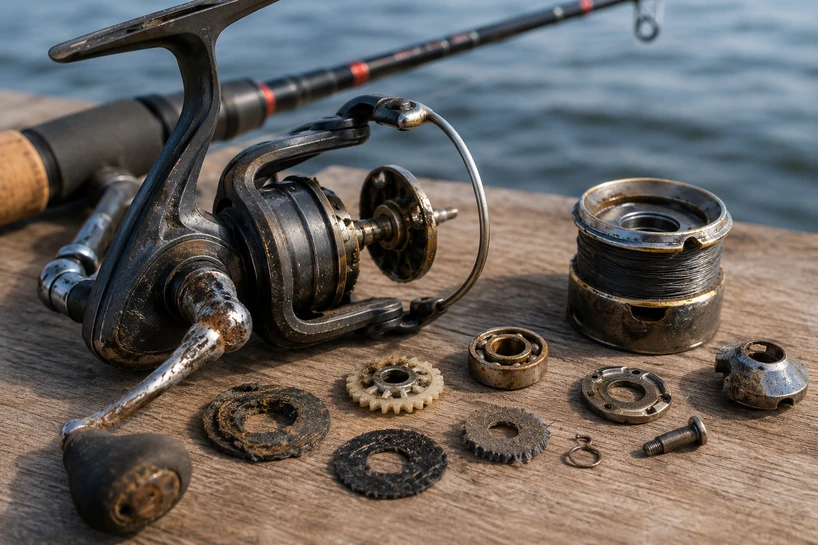
10 Signs Your Fishing Reel Parts Need Repair or Replacement
2026 Aug 21st
A good, dependable fishing reel is a must for consistent performance on the water. Over time, normal use, exposure to saltwater, dirt and lack of maintenance can cause fishing reel parts to wear out. Often, when minor issues are ignored, performance is reduced and more costly repairs are needed.
Many anglers don’t notice there’s a problem until their reel starts making strange noises, casts poorly, or feels rough while reeling in. Knowing the early signs of worn, or damaged reel components can help prevent unexpected failures, prolong the life of the reel, and have a better overall fishing experience.
Why Fishing Reel Parts Wear Out Over Time?
There are many moving parts in fishing reels that work together under a lot of pressure. Over time parts wear down, and become less efficient due to friction, exposure to the elements and heavy use. Even the best reels need maintenance to perform at their best.
Several factors contribute to reel part failure:
- Regular use
- Saltwater exposure
- Dirt and sand buildup
- Lack of lubrication
- Heavy fish loads
According to the American Sportfishing Association, millions of anglers use their equipment frequently throughout the year, making regular maintenance essential for preserving performance and reliability.
What Are the Most Common Signs a Fishing Reel Needs Repair?
Sign 1 - Grinding or Unusual Noises During Retrieval
Grinding, clicking, or scraping sounds can be an early sign that something is wrong inside your reel. A properly working reel should run smoothly and quietly when retrieving.
Common Causes
- Worn bearings: Old or damaged bearings can cause rough metal-on-metal contact, and grinding sounds.
- Damaged gears: Worn gear teeth can cause clicking or grinding sounds when retrieving the line.
- Dirt, and debris: Dirt, salt, or other debris in the reel can cause unusual sounds and cause faster wear of key components.
Sign 2 - Rough Reel Operation
A reel that feels rough when turning the handle usually points to internal wear. Smooth retrieval is critical to control and detect bites.
What It Signifies Common causes include:
- Bearing wear
- Gear misalignment
- Inadequate lubrication
- Internal contamination
When bearings become less efficient, lubrication fails, or resistance increases throughout the reel. Early servicing can often restore smooth operation before major parts are replaced.
Sign 3 - Reduced Casting Distance
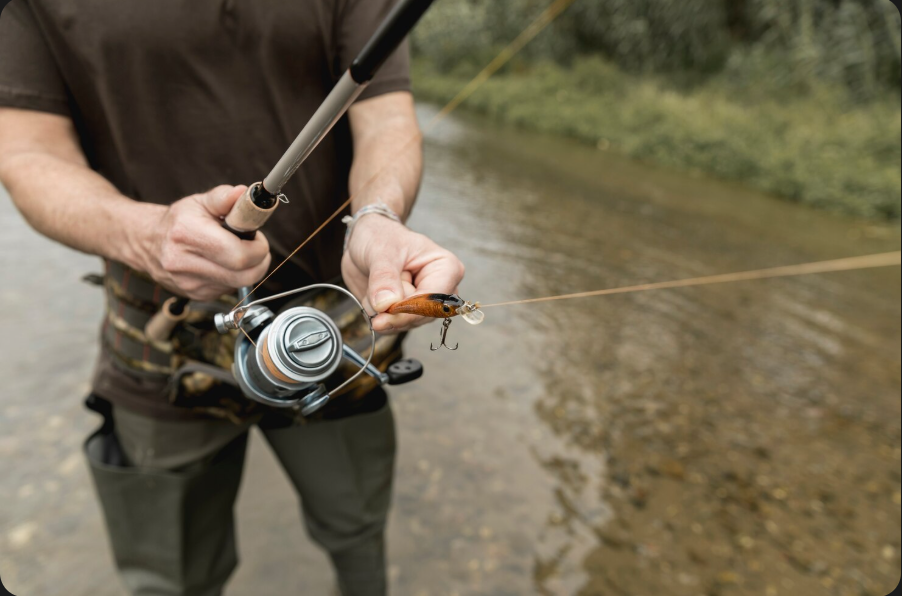
If casts are consistently shorter than usual, worn, or dirty reel parts may be affecting how the spool works. Shorter casts can make it harder to reach target, and cover more water.
Reel parts can affect casting distance:
- Spool bearings
- Line roller
- Spool shaft
- Spool assembly
Dirty, or damaged spool bearings can add friction, and slow down line release. Checking and cleaning these parts regularly can help your reel cast farther and more smoothly.
Sign 4 - Drag System Slips or Sticks
The drag system assists in controlling the amount of pressure that is applied to the fishing line, while fighting a fish. If the drag slips suddenly, or if it seems sticky during a run, the chance of losing the fish, or snapping the line increases.
Potential Problems
Worn drag washers are a common cause of inconsistent drag performance. Dirt, moisture, and old grease can also build up on drag parts and prevent them from applying pressure smoothly. If you can’t get a steady resistance by adjusting the drag then you might need to clean or replace the drag washers or other internal parts.
Sign 5 - Reel Handle Feels Loose
A stable handle is crucial for a smooth, and comfortable retrieve. If the handle is moving too much or feels loose when you crank it, it could be a sign of wear or a loose part inside the reel.
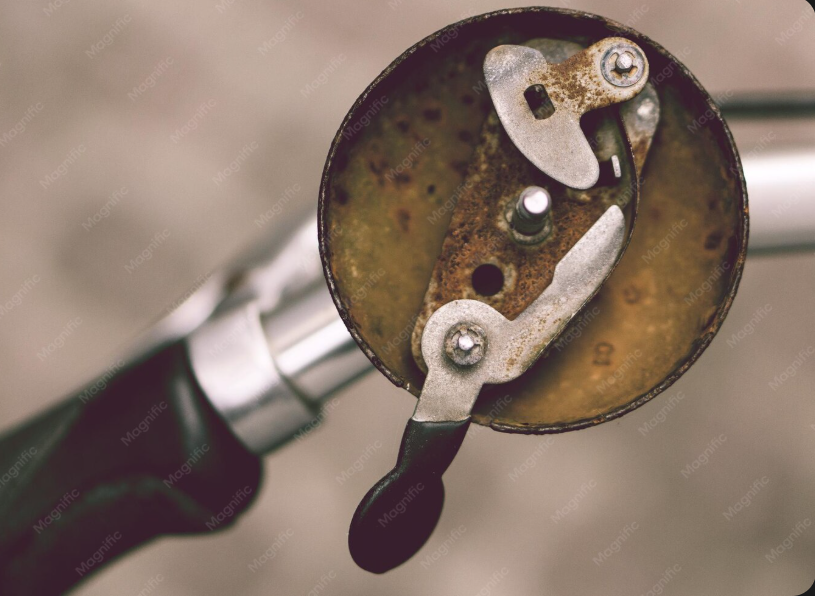
Possible Causes: Handle issues can be caused by a worn handle assembly, broken bushings, or loose mounting hardware. Sometimes worn gears will also create additional movement, making the feel of the handle wobbly. Fixing the problem early can help prevent more damage to nearby parts.
Sign 6 - Visible Corrosion on Reel Parts
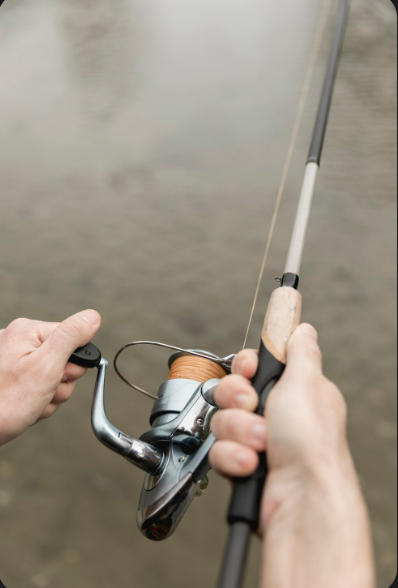
Rust, and corrosion are common problems with fishing reels, when anglers use them in saltwater. Even a small amount of rust can spread, and damage other parts if it is left untreated.
Why Corrosion Matters:
- Weaken metal parts
- Increase friction
- Damage bearings
- Shorten the reel's lifespan
- Cause internal parts to seize
Saltwater can speed up corrosion so reels used in these conditions need regular care. After each saltwater trip, rinse your reel with fresh water, and dry it properly. This simple step can help reduce damage, and protect important fishing reel parts.
Sign 7 - Line Twists, Snags, or Does Not Lay Properly
Poor line management can be a sign that something is wrong with the reel’s line control system. If the line does not lay evenly on the spool, it can cut down on casting distance and lead to more tangles.
Components That May Be Failing
Several parts help keep the line evenly distributed across the spool:
- Bail assembly/li>
- Line roller
- Oscillation system
When these parts wear out, or get damaged, the line may bunch up on one side or twist too much during retrieval. Checking these parts on a regular basis can help catch problems before they impact your fishing.
Sign 8 - Reel Frequently Locks Up or Seizes
A reel that suddenly locks up while you are using it should not be ignored. A stuck reel can cause you to lose a fish and may cause serious internal damage.
Internal Common Problems
- Broken Gears: If gears are broken, the reel may not function properly./li>
- Corroded Bearings: Bearings that are corroded can become stiff, and limit movement.
- Failed Bearings: Severely damaged bearings can stop the reel from working entirely.
If your reel continues to lock up, have it checked by a professional. Finding the problem early can help prevent more serious damage, and costly repairs.
Sign 9 - Excessive Backplay in the Handle
Backplay happens when reel handle moves backward before the anti-reverse system engages. A small amount of movement may be normal, but too much backplay can point to wear inside the anti-reverse system.
Anti-Reverse System Problems
A worn anti-reverse bearing may not engage properly, especially when the reel is under load. Dirt, salt and internal wear can also make the system less responsive, and cause noticeable handle movement.
Worn, or damaged anti-reverse parts can be replaced to restore smooth operation, and reduce unwanted handle movement.
Sign 10 - Missing, Cracked, or Broken Reel Components
Physical damage is one of the most obvious signs that you need to repair, or replace the reel. Cracked, or missing components can impact reel performance, and cause safety issues.

Parts that often require replacement includes:
- Handles
- Spools
- Gears
- Drag washers
- Side plates
Even small cracks can worsen over time under heavy fishing pressure. Replacing damaged parts promptly helps avoid more extensive repairs later.
How to Make the Right Decision: Repair, or Replace?
Not every reel problem requires purchasing a new reel. In many cases, replacing worn fishing reel parts is cost-effective way to restore performance.
When Repair is Better Option?
Repair is usually worthwhile when:
- The reel frame remains in good condition.
- Replacement parts are readily available
- Damage is limited to a few components
- The reel is a high-quality model.
Professional reel repair services can often restore older reels to near-original performance.
When Replacement Makes More Sense?
When many internal systems have failed, or replacement parts are no longer available, replacement may be the better choice. Severe corrosion, and extensive damage to the frame, can also make repairs less economical than buying a new reel.
Anglers can make informed decisions by comparing the value of the replacement item with the repair cost.
How Regular Reel Maintenance Prevents Premature Part Failure?
Preventive maintenance is still the best way to get the most life out of your reels. Regular maintenance reduces wear, increases performance, and helps catch problems before they become expensive.
Cleaning Tips
Wipe down exterior surfaces and remove dirt, sand and moisture after each trip. Saltwater anglers should rinse reels in fresh water, and allow to dry completely before storage.
Lubrication Tips
Lubrication reduces friction, and protects moving parts. Use only the type of reel oil, and grease recommended by the manufacturer on designated parts. Do not over-lubricate as it can attract debris.
Storage Recommendations
Store reels in a clean, dry location away from extreme temperatures, and humidity. Loosening drag settings during storage can also help preserve drag washer performance over-time.
Frequently Asked Questions
How often should fishing reels be serviced?
A fishing reel should be serviced at least once per year to keep it running smoothly, and to avoid premature wear. If you use your reels heavily or if they are used in saltwater, sand, or harsh conditions, they may need to be serviced professionally every six months to make sure the internal parts are in good working order.
What fishing reel parts wear out the fastest?
Bearings, drag washers, gears, line rollers and anti-reverse components are usually the first to wear out because they are always in motion and suffer friction. Keeping these essential fishing reel parts clean, lubricated, and inspected regularly will help them last longer, and to keep the reel performing reliably.
Can damaged reel gears be repaired?
Most minor reel gear problems can be fixed by cleaning, adjusting or having it serviced by a professional. However, gears that have excessive wear, chipped teeth, or are significantly damaged generally need to be replaced to bring back smooth retrieval, proper alignment, and overall reel performance.
How do I know if my reel bearings need replacement?
Worn reel bearings usually make grinding sounds provide inconsistent or jerky retrieval, reduce casting distance, and create more resistance when turning the handle. If cleaning, and lubrication don’t correct the problem, replacing the bearings may be necessary to restore smooth operation.
Is professional fishing reel repair worth it?
A professional repair of a fishing reel can be a good investment especially with high-end reels that have replaceable parts. Skilled technicians can find problems that are not apparent, replace worn parts, and restore them to top condition prolonging the life of the reel and saving anglers money by not having to buy a new one too soon.
