


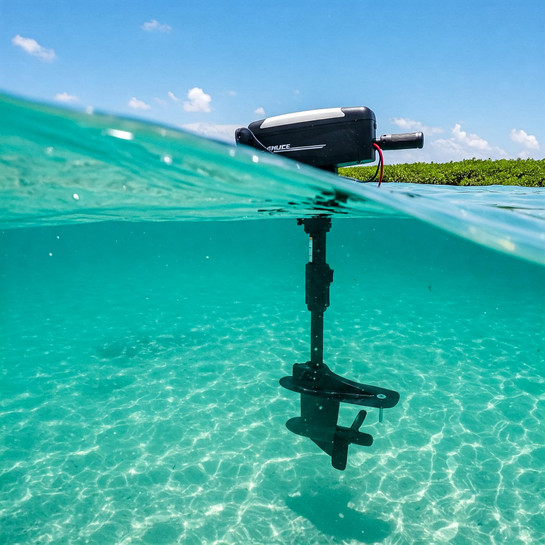
The Silent Power of Electric Trolling Motors: A Detailed Guide
2025 Mar 27th
Electric trolling motors have changed the way anglers and recreational boaters navigate the water. They provide a quiet, efficient, and environmentally friendly alternative to traditional gasoline-powered engines for low-speed operation. Their silent performance allows anglers to approach fishing spots without disturbing fish while offering excellent control around docks, shorelines, and marinas.
This electric trolling motor guide explains how these motors work, the different types available, key features to consider, and maintenance practices that help keep them operating reliably.
What Is an Electric Trolling Motor?
An electric trolling motor is a self-contained propulsion system that includes:
- Electric motor
- Propeller
- Steering controls
Instead of using gasoline, the motor runs on deep-cycle marine batteries to move a boat quietly at low speeds.
Unlike traditional outboard engines, electric trolling motors produce very little noise or vibration, making them ideal for fishing, wildlife observation, and slow-speed maneuvering.
Types of Electric Trolling Motors
Electric trolling motors are generally classified by where they mount on the boat.
Bow-Mount Trolling Motors
Bow-mount motors install on the front of the boat.
Because they pull the boat instead of pushing it, they provide outstanding control in:
- Wind
- Current
- Tight fishing areas
Most are controlled with:
- Foot pedals
- Wireless remotes
- GPS navigation systems
Many premium models include features such as Spot-Lock, route recording, and autopilot functions.
Transom-Mount Trolling Motors
Transom-mount motors attach to the rear of the boat.
They are popular because they are:
- Easier to install
- More affordable
- Simple to operate
Most models use a hand tiller for steering and work well on:
- Small fishing boats
- Jon boats
- Canoes
- Kayaks
Engine-Mount Trolling Motors
Engine-mount motors attach directly to the cavitation plate of an existing outboard or sterndrive.
These systems allow anglers to troll using electric power without adding another permanent mounting location.
They also serve as convenient backup propulsion when needed.
Trolling Motor Performance Basics
Understanding trolling motor performance basics helps you choose the right motor for your boat and fishing style.
Several factors directly affect how well a trolling motor performs.
Thrust
Thrust measures the motor's pushing power and is rated in pounds (lbs).
The amount of thrust you need depends on:
- Boat weight
- Passenger load
- Fishing gear
- Wind conditions
- Water current
A common recommendation is approximately 2 pounds of thrust for every 100 pounds of total boat weight, including passengers and equipment.
Choosing slightly more thrust than required often provides better control in changing conditions.
Voltage
Electric trolling motors commonly operate on:
- 12-volt
- 24-volt
- 36-volt systems
Higher-voltage motors generally provide:
- Greater power
- Better runtime
- Improved electric trolling motor efficiency
Larger boats often benefit from 24V or 36V systems, while many smaller boats perform well with a 12V setup.
Shaft Length
Selecting the correct shaft length is important for reliable operation.
The shaft should keep the propeller submerged even in rough water.
If the shaft is too short:
- The propeller may leave the water.
- Performance decreases.
- Motor wear may increase.
Measure the distance from the mounting location to the waterline before selecting a motor.
Steering Options
Modern trolling motors offer several steering methods.
Hand Tiller
Common on transom-mounted motors.
Provides direct manual steering.
Foot Pedal
Widely used on bow-mounted models.
Allows hands-free operation while fishing.
Available in:
- Cable steer
- Electric steer
Wireless Remote
Offers convenient steering from anywhere in the boat.
Ideal for anglers who frequently change positions.
GPS Control
Many advanced motors now include:
- Spot-Lock
- Autopilot
- Route recording
- Course correction
These features improve boat positioning while reducing operator effort.
Freshwater vs. Saltwater Models
Freshwater and saltwater trolling motors are built differently.
Saltwater models include additional corrosion-resistant materials and coatings designed to withstand harsh marine environments.
Although freshwater motors may tolerate occasional saltwater use, anglers who regularly fish coastal waters should select a saltwater-rated model.
Noise Level
One of the biggest advantages of electric trolling motors is their quiet operation.
Minimal noise and vibration help anglers approach fish without creating unnecessary disturbance.
Higher-quality motors are engineered to reduce operational noise even further.
Batteries and Charging
Electric trolling motors rely on deep-cycle marine batteries rather than automotive batteries.
Battery selection directly affects electric trolling motor efficiency and runtime.
Common battery options include:
- Flooded lead-acid
- AGM
- Lithium
Lithium batteries have become increasingly popular because they offer:
- Longer service life
- Reduced weight
- Faster charging
- More consistent power output
Using an onboard charger makes battery maintenance easier between fishing trips.
Additional Features
Many modern trolling motors include advanced features that improve convenience and performance.
Popular options include:
- Battery level indicators
- Variable speed control
- Digital Maximizer technology
- Brushless motors
- GPS Spot-Lock anchoring
- Route recording and playback
These technologies help maximize runtime while providing better boat control.
Benefits of Electric Trolling Motors
Electric trolling motors offer several practical advantages for anglers and recreational boaters.
Quiet Operation
Silent operation helps prevent fish from being startled during shallow-water fishing.
Environmentally Friendly
Electric motors produce no direct emissions and are accepted in many environmentally sensitive waterways.
Precise Boat Control
Accurate positioning helps anglers maintain ideal casting distance and boat placement.
Low Maintenance
Compared to gasoline engines, electric trolling motors contain fewer moving parts, reducing routine maintenance requirements.
Instant Torque
Electric motors produce immediate power, allowing quick position adjustments in wind and current.
Versatility
Besides fishing, trolling motors are useful for docking, slow-speed cruising, and backup propulsion.
Applications Beyond Fishing
Although primarily designed for anglers, electric trolling motors are useful for many boating activities.
Common applications include:
- Kayaks
- Canoes
- Small fishing boats
- Dinghies
- Sailboats
- Wildlife photography
- Nature observation
Their quiet operation makes them well suited for situations where minimal disturbance is important.
Electric Trolling Motor Maintenance
Routine electric trolling motor maintenance helps extend equipment life and maintain reliable performance.
Rinse After Every Trip
After each outing especially in saltwater rinse the motor thoroughly with fresh water to remove salt and debris.
Inspect the Propeller
Check the propeller regularly for:
- Fishing line
- Weeds
- Damage
- Bent blades
Removing debris helps prevent unnecessary motor strain.
Check Electrical Connections
Inspect battery cables and terminals for:
- Corrosion
- Loose connections
- Damaged wiring
Clean, secure connections improve overall motor performance.
Lubricate Moving Components
Lubricate pivot points and other recommended components according to the manufacturer's maintenance schedule.
Store Properly
Store the motor in a dry location away from excessive heat or freezing temperatures when not in use.
Maintain the Batteries
Proper battery care includes:
- Charging after each use
- Avoiding deep discharge
- Following manufacturer charging recommendations
- Storing batteries in a cool, dry location
Healthy batteries contribute significantly to electric trolling motor efficiency.
Keep Your Trolling Motor Ready for Every Trip
Electric trolling motors offer quiet operation, accurate boat control, and reliable performance for many fishing situations. Knowing how they work, choosing the right model, and following regular maintenance practices can help extend their lifespan and keep them operating smoothly. With proper care and setup, you can enjoy consistent performance and better control every time you head out on the water.
Routine inspections, proper battery care, and regular maintenance go a long way toward extending the life of your trolling motor. Mike's Reel Repair offers professional repair services and replacement parts for trolling motor systems, along with expert support for fishing reels, downriggers, and marine electronics.
Frequently Ask Questions
1. What is an electric trolling motor used for?
An electric trolling motor is designed to move a boat quietly at low speeds. It provides precise control for fishing, docking, navigating marinas, and other boating activities where smooth, silent operation is important.
2. How do I choose the right trolling motor for my boat?
Consider your boat's size, weight, and typical water conditions when choosing a trolling motor. Check the required thrust, voltage, shaft length, and steering options to ensure the motor provides reliable performance and proper control.
3. What is the difference between bow-mount and transom-mount trolling motors?
Bow-mount motors pull the boat from the front and offer better steering control, especially in wind or current. Transom-mount motors attach to the back of the boat, are easier to install, and work well for smaller boats and kayaks.
4. How do you maintain an electric trolling motor?
Rinse the motor with fresh water after use, inspect the propeller for damage or tangled fishing line, keep battery connections clean, lubricate recommended parts, and store the motor in a dry location to help extend its service life.
5. Why are electric trolling motors popular with anglers?
Electric trolling motors operate quietly, helping reduce noise that may disturb fish. They also provide accurate boat positioning, require less maintenance than gasoline engines, and offer dependable performance for fishing and other recreational boating activities.