


Downrigger PIC Voltage Explained
Posted by Mike on 2026 Jan 26th
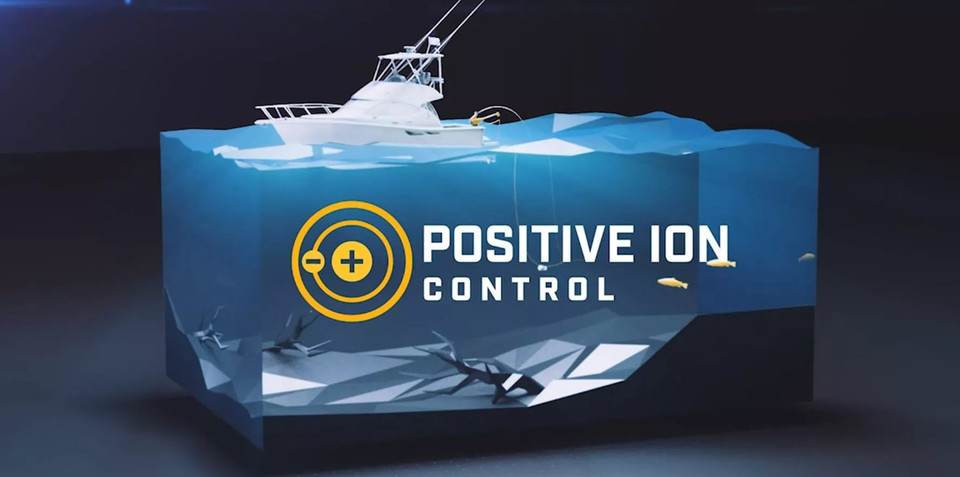
PIC stands for Positive Ion Control, a system used on many downriggers to manage the electrical field surrounding your boat and fishing gear. Understanding how it works can help you make better decisions when setting up your trolling equipment.
This downrigger PIC voltage guide explains the science behind Positive Ion Control, why it matters, and how to use it effectively for better fishing results.
What Is PIC Voltage?
Positive Ion Control (PIC) is designed to neutralize the natural negative electrical energy produced by your boat and replace it with a controlled positive charge that many game fish find attractive.
Instead of allowing your boat to create an electrical field that may discourage fish from approaching your lure, PIC produces a mild positive voltage that can increase fish interest during trolling.
Understanding these downrigger voltage fundamentals helps anglers get the most from modern trolling systems.
The Science Behind PIC Voltage
To understand PIC, it helps to know what happens when your boat enters the water.
Your Boat Acts Like a Battery
When different metals are submerged in water, they create a weak electrical current through a process called electrolysis.
Common examples include:
- Aluminum hulls
- Stainless steel propellers
- Lead downrigger weights
- Stainless steel downrigger cables
Because water acts as an electrolyte, these different metals naturally generate small electrical currents.
The Natural Negative Electrical Field
Most boats naturally produce a slight negative electrical charge.
That charge travels through the stainless steel downrigger cable and creates an electrical field around your trolling presentation. Without Positive Ion Control, this field can become strong enough to discourage fish from approaching your lure.
This is one of the most important concepts in any fishing downrigger.
Why Is PIC Voltage Used?
Fish are highly sensitive to extremely small electrical fields in the water. Many species rely on these signals to locate prey, avoid danger, and navigate their surroundings.
Negative Charges Can Repel Fish
A strong negative electrical field—or even an excessively high positive field—may signal danger to fish.
When this happens, fish are more likely to avoid your lure instead of striking.
Positive Charges Can Attract Fish
Research and years of on-the-water experience suggest that many predatory species respond positively to a mild positive electrical charge.
Species commonly associated with Positive Ion Control include:
- Chinook Salmon
- Coho Salmon
- Sockeye Salmon
- Trout
- Kokanee
- Halibut
- Sharks
The preferred voltage range is believed to resemble the natural electrical signature produced by injured baitfish or feeding activity.
In simple terms, PIC changes your boat's electrical signature from one that may repel fish into one that may encourage curiosity and strikes.
How Does a PIC System Work?
PIC systems send a controlled positive DC voltage through the stainless steel downrigger cable.
This controlled electrical signal surrounds the downrigger weight and nearby lure while trolling.
Understanding PIC voltage for trolling setups can help anglers fine-tune their equipment based on target species and fishing conditions.
Types of PIC Systems
Built-In Positive Ion Control
Many modern electric downriggers include built-in Positive Ion Control.
Some systems use a fixed setting, often around +0.6 volts, while others allow adjustments between 0.2 and 1.2 volts.
External Black Box Systems
If your downrigger doesn't include Positive Ion Control, an external Black Box can provide adjustable voltage control.
Popular systems connect directly to the boat's battery and the downrigger cable, allowing anglers to regulate electrical output manually.
Recommended PIC Voltage Settings
Different fish species often respond best to different voltage levels. If the voltage is too low, it may reduce the attraction effect. If it's too high, fish may become cautious.
| Target Species | Recommended Voltage |
|---|---|
| Chinook (King) Salmon | 0.60 V – 0.70 V |
| Coho (Silver) Salmon | 0.60 V – 0.65 V |
| Sockeye Salmon | 0.50 V – 0.60 V |
| Trout / Kokanee | 0.65 V – 0.75 V |
| Halibut / Sharks | 0.80 V and above |
These recommendations provide a useful starting point, but water conditions, salinity, and equipment setup can all influence results.
Essential Rules for PIC Success
Following a few basic guidelines helps maximize downrigger electrical performance.
Always Use Stainless Steel Cable
Positive Ion Control depends on electrical conductivity.
Braided lines such as Spectra or Dacron do not conduct electricity, meaning the electrical signal cannot reach the downrigger weight.
For PIC to function correctly, always use stainless steel downrigger cable.
Keep the Cable Properly Insulated
The downrigger cable should remain electrically isolated from the boat's hull.
Most modern downriggers use plastic spools that naturally insulate the cable. However, make sure the cable does not contact metal rails, brackets, or the hull during operation.
Use Reasonable Leader Lengths
The positive electrical field is concentrated around the downrigger cable and weight.
Leaders longer than 20 to 30 feet may position your lure outside the strongest part of the attraction zone, reducing the effectiveness of the PIC system.
Maintaining Your Downrigger Electrical System
Regular maintenance helps ensure consistent electrical output and dependable trolling performance.
Inspect your equipment regularly for:
- Damaged or corroded stainless steel cable
- Loose electrical connections
- Worn terminals
- Corrosion around battery connections
- Proper insulation between the cable and boat
Routine inspections can help maintain reliable downrigger electrical performance and reduce unexpected issues while on the water.
If you notice problems with your downrigger or fishing reels, Mike's Reel Repair offers professional repair services and replacement parts for many popular brands.
Keep Your Trolling Setup Performing at Its Best
Without Positive Ion Control, your boat naturally produces a negative electrical field that may discourage fish from approaching your presentation.
With a properly functioning PIC system, that negative charge is neutralized and replaced with a controlled positive electrical field that many anglers use to improve trolling success.
Understanding how PIC voltage works can help you set up your downrigger correctly and get the most from your trolling system. Using the proper voltage, cable, and equipment setup helps maintain consistent performance on the water.
Frequently Ask Questions
1. What is PIC voltage on a downrigger?
PIC, or Positive Ion Control, is a system that applies a controlled positive electrical charge to a downrigger cable. It helps offset the boat's natural negative electrical field, creating conditions that may attract certain fish species closer to your fishing gear.
2. How does PIC voltage attract fish?
Many fish can detect weak electrical fields in the water. A properly adjusted positive charge may resemble the natural electrical signals of baitfish or injured prey, encouraging species such as salmon and trout to investigate your lure.
3. Do you need a stainless steel cable for PIC voltage?
Yes. PIC systems require a stainless steel downrigger cable because it conducts electricity. Braided or synthetic lines cannot carry the electrical signal, making the Positive Ion Control system ineffective when those materials are used.
4. What is the recommended PIC voltage for salmon?
Recommended PIC voltage varies by species. Chinook and Coho salmon generally respond well to settings around 0.60 to 0.70 volts, while other species may require different voltage ranges for the best fishing results.
5. What factors help a PIC system work effectively?
For reliable results, use a stainless steel cable, keep the cable insulated from the boat's metal surfaces, and avoid overly long leaders. These practices help maintain the intended electrical field around the downrigger and lure