Product Description
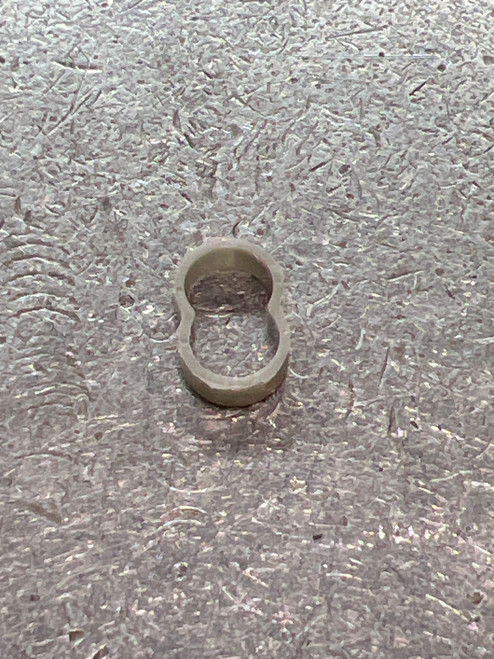
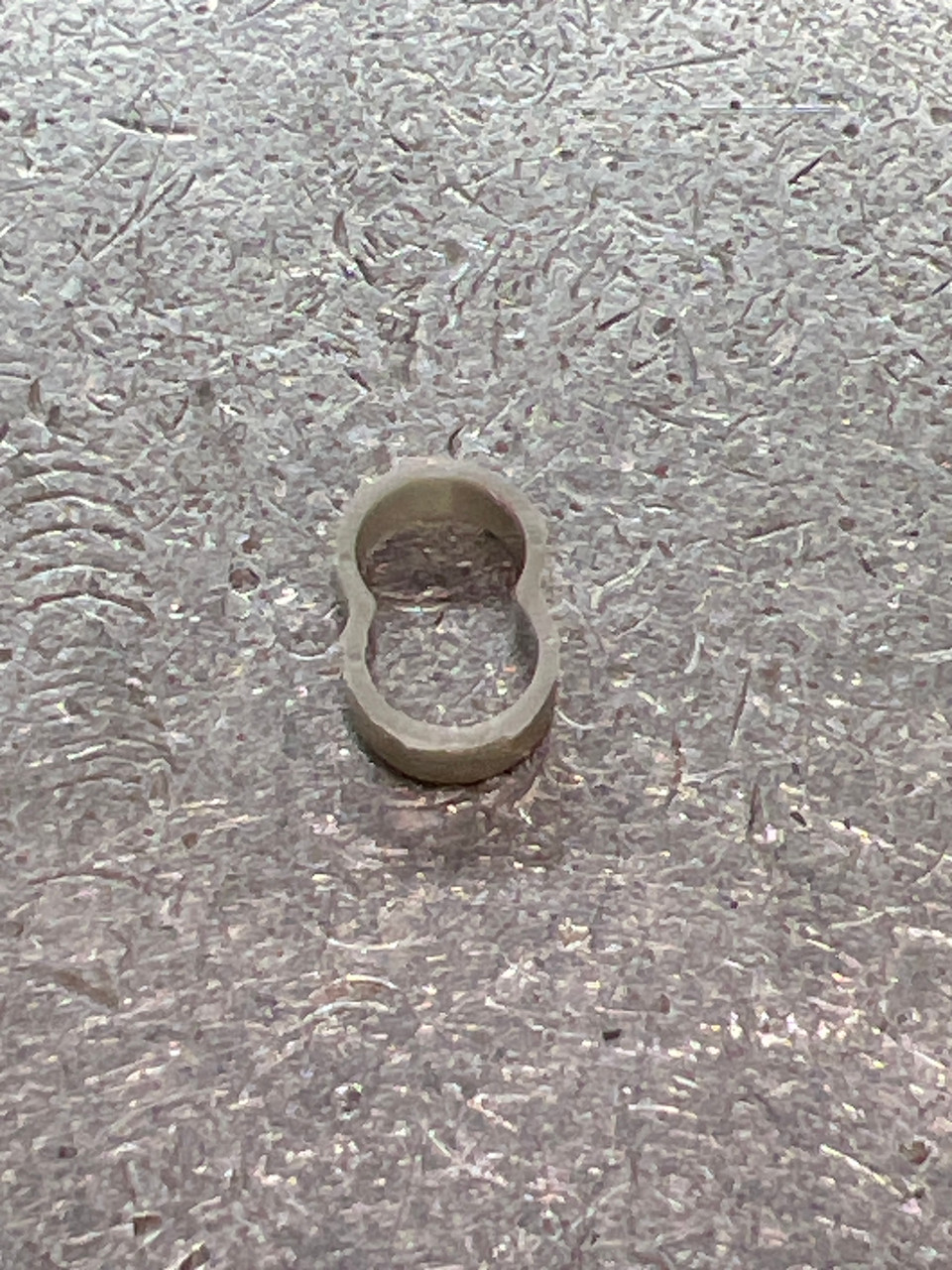
SHIMANO 104MS CLICK SWITCH CAM (TGT1595)
Restore Your Line Alarm’s Mechanical Action
The Shimano 104MS Click Switch Cam (TGT1595) is a vital internal component for the line alarm system on Shimano's premium Talica lever drag reels. Positioned inside the left side plate, this cam acts as the mechanical interface between the external Click Button and the internal click pawl. It translates the sliding motion of the button into the physical engagement of the clicker tongue against the gear.
If your clicker button feels loose, fails to stay in the "On" position, or if the alarm is difficult to engage, a worn or broken switch cam is the most common culprit. Replacing this plastic cam ensures your strike alarm functions reliably, giving you the positive tactile feedback and audible alert necessary for trolling and heavy bait fishing.
Product Specifications
-
Part Name: Click Switch Cam
-
Manufacturer: Shimano
-
Part Number (MPN): 104MS
-
Alternate Part Number: TGT1595
-
Material: High-Strength Composite / Nylon
-
Installation Position: Internal Left Side Plate (Clicker Assembly)
-
Function: Engages/Disengages the Click Pawl
Compatible Models
This part is engineered for the Shimano Talica (TAC) series of lever drag reels. It fits a wide range of sizes in both single and 2-speed configurations.
-
Shimano Talica II (2-Speed) Series:
-
TAC 12 II
-
TAC 16 II
-
TAC 20 II
-
TAC 25 II
-
TAC 50 II
-
-
Shimano Talica (Single Speed) Series:
-
TAC 12, TAC 16, TAC 20, TAC 25
-
-
Shimano Talica BFC:
-
TAC 20 BFC (Billfish Concept)
-
Installation & Reference
To ensure this is the correct cam for your reel, please cross-reference the part code 104MS or the alternate number TGT1595 with your reel's service diagram.
-
Schematic Diagrams: For detailed PDF schematics and part location verification, please visit www.reelschematic.com.
-
Alternate Part Number: TGT1595
Installation Tip: This cam works in conjunction with the Click Spring (often part TGT1734 or similar). When installing the new cam, ensure the spring is seated correctly in the cam's detent groove. This tension is what "locks" the clicker in the On or Off position; without it, the switch will slide freely.